

As the electric vehicle (EV) market continues to evolve rapidly, buying the right car in 2025 requires careful consideration of various factors. With advancements in technology and a growing range of models, the choices available to consumers are expanding exponentially. This guide aims to assist potential buyers in navigating the landscape of electric cars, ensuring they make informed decisions that align with their needs.
The transition to electric vehicles is not just a trend; it’s a shift towards sustainability and efficiency. Consumers are increasingly aware of their environmental impact, leading to a heightened interest in electric cars that promise lower emissions and a reduced carbon footprint. However, with so many options on the market, it can be overwhelming to determine which vehicle suits your lifestyle best.
In this guide, we will explore the key features to look for when purchasing an electric vehicle, including battery life, charging infrastructure, and overall performance. Understanding these elements will empower you to choose an electric car that not only fits your budget but also meets your expectations for reliability and functionality in the years to come.
Evaluating Battery Range and Charging Infrastructure
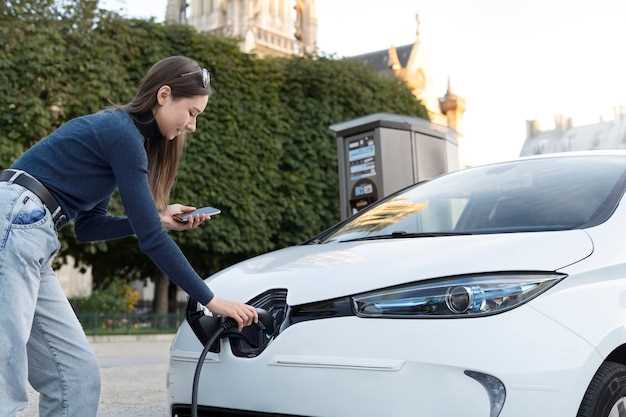
When buying an electric vehicle, one of the most critical factors to consider is the battery range. The distance your car can travel on a single charge directly impacts its usability, especially for long commutes and road trips. In 2025, advancements in battery technology may offer increased ranges, but it is essential to evaluate current options and their suitability for your lifestyle.
Aim for vehicles that provide at least 250 miles of range, as this will cover most daily needs without frequent recharging. For drivers who commonly take longer trips, models boasting ranges above 300 miles are advisable. Always consider the driving patterns and typical distances you cover before committing to a purchase.
In addition to evaluating battery range, the charging infrastructure is another crucial component in your decision-making process. The availability and convenience of charging stations will determine how smoothly you can integrate an electric vehicle into your daily routine. Check local amenities and routes to ensure there are ample charging points near your home, workplace, and frequented areas.
Moreover, consider the types of charging options available. Fast chargers can minimize downtime during trips, whereas home charging solutions provide convenience for daily use. Many electric vehicles come equipped for fast charging, allowing you to recharge up to 80% in around 30 minutes. Assess the compatibility of the vehicle with different charging networks to avoid potential inconveniences.
Ultimately, a comprehensive guide to your specific needs will assist in making the best choice when selecting electric cars. By thoroughly evaluating both battery range and charging infrastructure, you can ensure that your new vehicle meets both your performance expectations and lifestyle requirements.
Understanding Pricing and Incentives for Electric Vehicles
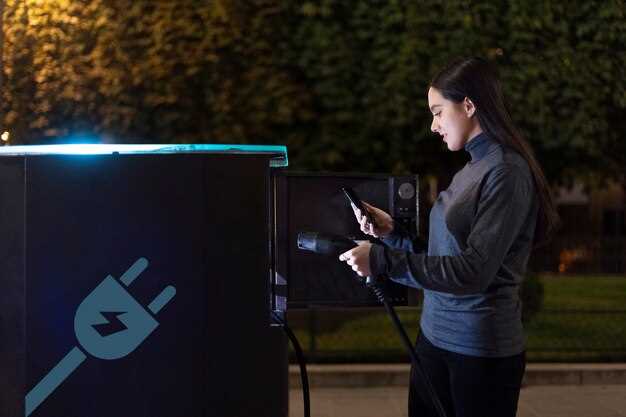
When considering the purchase of electric cars, understanding pricing structures is essential. Electric vehicles (EVs) typically have a higher upfront cost compared to traditional internal combustion engine vehicles. However, it is crucial to look at the total cost of ownership over time, which includes savings on fuel and maintenance.
In many regions, various incentives are available to help offset these initial costs. Federal and state tax credits can significantly reduce the overall price, making the transition to electric more affordable. Some countries offer rebates or grants for purchasing EVs, encouraging environmentally friendly choices.
Additionally, buyers should consider the differences in pricing among various electric models. Factors like battery size, range, and brand reputation influence costs. Cheaper models may serve as a great entry point, but investing in higher-end options could offer better performance and more features.
Utility companies in some areas also provide incentives like rebates on home charging stations or reduced electricity rates during off-peak hours, further contributing to cost savings for EV owners. Exploring local and national programs is essential in making an informed purchasing decision.
This guide emphasizes the importance of evaluating all financial aspects when buying an electric vehicle. Understanding available incentives and the total cost of ownership can lead to a more economical choice in the evolving market of electric cars.
Comparing Features and Technology in 2025 EV Models
As the market for electric vehicles (EVs) continues to grow, potential buyers are presented with an increasing array of options in 2025. Understanding the various features and technologies available in this year’s models is essential for making an informed decision. Key aspects to consider include battery technology, range, charging infrastructure, and smart features.
Battery Technology plays a crucial role in the performance of electric cars. In 2025, many manufacturers have made significant advancements in battery efficiency and longevity. Newer models are likely to utilize solid-state batteries, which promise increased energy density and quicker charging times. When evaluating options, look for cars that offer longer ranges per charge, ideally exceeding 300 miles, as this increases the practicality of EV ownership.
Charging Infrastructure is another important consideration for prospective electric car buyers. In 2025, the expansion of fast-charging networks will continue, making it more convenient to charge vehicles on the go. Many EVs will support ultra-fast charging capabilities, allowing drivers to recharge significant amounts of battery life in just a matter of minutes. Compatibility with various charging stations should also be assessed, as this affects the convenience of owning an electric car.
Smart Features in 2025 EV models are set to enhance user experience significantly. Advanced driver-assistance systems (ADAS) will be more sophisticated, with features such as automated lane-keeping, adaptive cruise control, and improved parking assistance. Additionally, many electric vehicles will come equipped with integrated connectivity options, allowing for updates and diagnostics remotely. Buyers should also pay attention to the in-car technology, including infotainment systems and compatibility with smartphones and other devices.
Lastly, consider the sustainability aspect of the entire vehicle lifecycle when choosing an EV. Manufacturers are increasingly focusing on eco-friendly production processes and recyclable materials. Buyers who prioritize sustainability will want to investigate these features as part of their purchasing decision.
In conclusion, the 2025 electric vehicle market offers an exciting selection of cars with advanced features and technologies. By comparing battery technology, charging infrastructure, smart features, and sustainability practices, buyers can make a more informed choice that meets their needs and preferences.

