

As the global automotive market shifts towards sustainability, Chinese electric vehicles (EVs) have gained significant attention among consumers looking to transition to greener transportation options. The surge in interest is not only driven by the increasing availability of advanced technology but also by the competitive pricing of these cars. However, purchasing a Chinese electric vehicle requires careful consideration of various factors to ensure that buyers make informed choices.
One of the primary factors to evaluate when buying a Chinese EV is the technological features it offers. Many manufacturers are now equipping their vehicles with state-of-the-art battery technology, advanced driver assistance systems, and connectivity options. Buyers should assess the cars based on range, charging speed, and the quality of the technology provided to ensure they meet their specific driving needs.
Additionally, understanding the after-sales support and warranty policies is crucial when investing in a Chinese electric vehicle. The availability of spare parts, maintenance services, and customer support can vary significantly among brands, impacting long-term ownership experience. Therefore, prospective buyers must research these aspects thoroughly to avoid potential pitfalls associated with buying an EV from abroad.
Understanding Battery Technology and Range

The performance of Chinese electric vehicles is heavily influenced by their battery technology. Modern EV batteries primarily use lithium-ion technology, which offers a good balance of energy density, weight, and cost. When buying a car, it’s crucial to understand how battery capacity, usually measured in kilowatt-hours (kWh), affects the vehicle’s range. A higher capacity generally translates to a longer distance that can be traveled on a single charge.
Range anxiety remains a significant concern for many consumers. As demand for electric cars grows, several Chinese manufacturers are innovating to enhance range. Advances in battery chemistry, such as the development of solid-state batteries and improved lithium iron phosphate (LFP) variations, aim to extend driving ranges while simultaneously reducing charging times.
Charging infrastructure is another important factor to consider. In addition to the vehicle’s inherent capabilities, the availability of fast-charging stations can significantly affect overall convenience for the user. When selecting a car, it is wise to evaluate local charging options and how they align with your daily travel needs.
Moreover, understanding battery longevity and warranty terms is critical when buying Chinese cars. Most manufacturers provide warranties that cover battery performance for a specific number of years or miles, ensuring that the battery will maintain a certain capacity over time. This factor can greatly influence both the resale value of the vehicle and the total cost of ownership.
In summary, a comprehensive knowledge of battery technology, range capabilities, and related infrastructure can assist you in making an informed decision when purchasing a Chinese electric vehicle. Prioritize research on specifications and consider how these elements align with your driving habits.
Evaluating After-Sales Service and Warranty Options
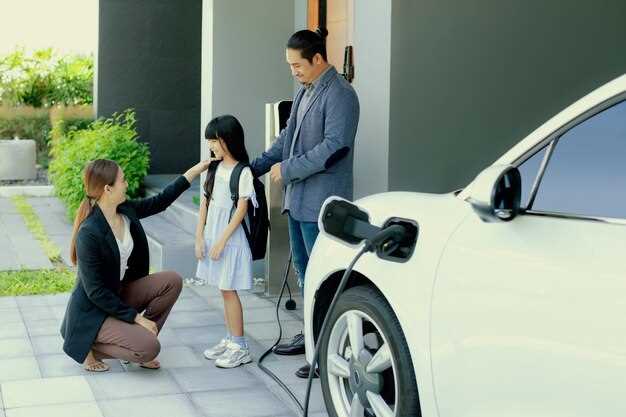
When buying a Chinese electric vehicle (EV), understanding after-sales service and warranty options is crucial for ensuring long-term satisfaction. The complexity of EV technology necessitates reliable support and comprehensive coverage. A well-structured warranty can provide peace of mind, while quality after-sales service can enhance your overall ownership experience.
Warranty Length and Coverage is the first aspect to assess. Most manufacturers offer warranties ranging from 3 to 8 years, with specific terms for the battery and overall vehicle. Pay particular attention to battery coverage, as this is a critical component in EVs. A longer warranty period typically indicates manufacturer confidence in their product’s durability.
After-Sales Service Network is equally important. Investigate the availability of service centers in your area. A broad network ensures that you can access maintenance and repairs without significant inconvenience. Additionally, inquire about the training level of the technicians who will handle your vehicle; skilled professionals are essential for high-quality service.
Customer Support Channels also play a role in the overall after-sales experience. Look for companies that offer multiple support options, including phone, email, and live chat. Quick access to assistance can significantly improve your experience, especially in case of technical issues. Check reviews and customer feedback to gauge the responsiveness and helpfulness of the support teams.
Finally, consider Additional Services and Programs that may be included with your EV purchase. Some manufacturers offer complimentary maintenance packages, roadside assistance, or software updates as part of their after-sales offerings. These extras can enhance the value of your EV purchase and contribute to a hassle-free ownership experience.
In conclusion, evaluating after-sales service and warranty options is a vital step when buying Chinese EV cars. Prioritize manufacturers that provide extensive coverage, a robust service network, responsive customer support, and valuable added services to ensure that your investment remains protected and enjoyable over time.
Comparing Features and Price with Local Alternatives
When considering buying a Chinese electric vehicle (EV), it is essential to evaluate its features and pricing in comparison to local alternatives. Chinese EVs are gaining traction globally, often boasting impressive technology, innovative designs, and competitive pricing. However, understanding how these vehicles measure up against homegrown options can significantly influence a purchasing decision.
One of the most notable features of many Chinese EVs is their advanced battery technology. Brands like BYD and NIO are known for their superior range and efficiency, which may surpass some local contenders. Potential buyers should analyze the specifications related to battery performance, charging speeds, and the overall range of the vehicle. These aspects are crucial for daily commuting and long-distance travel.
Price points are another critical consideration. Many Chinese manufacturers offer attractive pricing strategies, often undercutting local alternatives. This price advantage is accompanied by a feature-rich offering, including smart technology and advanced driver assistance systems, which might not be as prevalent in local models within the same price range. Buyers should conduct a thorough cost-benefit analysis to determine whether the lower price translates into real value or if there are compromises in areas like build quality and service support.
It’s also important to examine warranty and service options. Some Chinese EVs tend to have shorter warranty periods compared to local brands, which could affect long-term ownership satisfaction. Additionally, availability of service centers and accessibility to spare parts can vary significantly, impacting the overall ownership experience. Buyers must consider not only the initial purchase price but also potential costs associated with maintenance and repairs over time.
Finally, conducting side-by-side comparisons of features like infotainment systems, driving assist technologies, and overall driving experience can further aid in decision-making. Evaluating consumer reviews and expert assessments can provide deeper insight into real-world performance and satisfaction, allowing potential buyers to make informed choices. Balancing features with price is essential for anyone looking to invest in a Chinese EV as opposed to its local counterparts.

