

As the world shifts towards sustainable energy sources and electric vehicles (EVs) become increasingly prevalent, the concept of Vehicle-to-Grid (V2G) technology emerges as a vital innovation. V2G refers to a system that allows EVs to not only draw energy from the grid for charging but also to return stored energy back to the grid during peak demand periods. This two-way interaction between vehicles and energy systems creates a symbiotic relationship that benefits both EV owners and the overall power grid.
The functionality of V2G technology hinges on advanced communication and automation technologies that facilitate the exchange of information between electric vehicles and utility providers. When connected to a V2G-capable charging station, an EV can act as a mobile energy storage unit, providing excess energy to the grid or absorbing it when demand is low. This capability has the potential to enhance grid stability, reduce energy costs, and integrate renewable energy sources more effectively.
In addition to its impact on grid management, V2G technology offers significant financial incentives for EV owners. By participating in demand response programs, vehicle owners can earn credits or payments for the electricity they supply back to the grid. This not only offsets charging costs but also encourages the adoption of electric vehicles as a viable and economically attractive option for consumers.
How Vehicle-to-Grid Systems Facilitate Energy Exchange
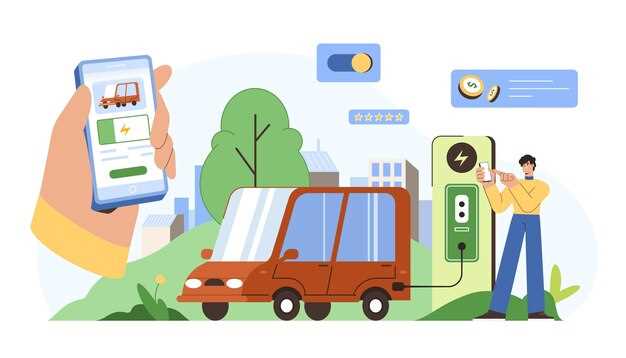
Vehicle-to-Grid (V2G) technology enables electric vehicles (EVs) to interact with the electrical grid, creating a dynamic energy exchange system. This interaction not only benefits EV owners but also enhances overall grid stability and efficiency.
The primary mechanism of V2G systems involves:
- Bidirectional Energy Flow: EVs are equipped with technology that allows them to both draw energy from the grid and send energy back to it. This capability is crucial for balancing supply and demand.
- Peak Shaving: During high energy demand periods, V2G systems can discharge stored energy from EVs to alleviate pressure on the grid, reducing the need for additional power generation.
- Renewable Energy Integration: V2G systems can store excess energy generated from renewable sources, such as solar and wind, during periods of low demand, and provide this energy back during peak usage times.
The potential benefits of V2G technology include:
- Cost Savings: EV owners can receive financial incentives for participating in V2G programs, helping to offset the cost of electricity and provide additional revenue streams.
- Grid Resilience: By having a decentralized energy source through multiple EVs, the grid becomes more resilient to outages and fluctuations, ensuring a stable power supply.
- Environmental Impact: Facilitating the use of renewable energy through V2G helps reduce reliance on fossil fuels, contributing to lower greenhouse gas emissions.
In conclusion, V2G systems represent a promising approach to enhancing the interaction between electric vehicles and the grid, optimizing energy usage and contributing to a more sustainable energy system.
Technical Requirements for Implementing V2G Solutions
Implementing Vehicle-to-Grid (V2G) solutions necessitates specific technical requirements that ensure the efficient integration of electric vehicles (EVs) into the power grid. The primary components include communication protocols, charging infrastructure, and grid compatibility.
1. Communication Protocols
Effective V2G systems rely on robust communication standards to facilitate interaction between EVs and grid operators. Protocols such as ISO 15118 enable bi-directional communication, allowing vehicles to send and receive data regarding energy demand, charging status, and charging schedules. These communications must be secure, reliable, and capable of real-time data exchange.
2. Charging Infrastructure
A critical aspect of V2G implementation is the availability of advanced charging stations equipped for bi-directional power flow. These stations need to support both AC and DC charging standards, providing flexibility for various EV models. Additionally, charging infrastructure must incorporate smart grid technology, allowing for dynamic pricing and load management based on grid demands.
3. Grid Compatibility
The grid must be equipped to handle the additional complexities introduced by V2G solutions. This includes the ability to manage energy flows effectively, maintain voltage stability, and ensure frequency regulation. Smart grid technologies, such as demand response systems and energy management systems, are essential for optimizing the integration of EVs into existing energy networks.
4. Regulatory and Safety Standards
Implementing V2G systems requires adherence to specific regulatory frameworks and safety standards. Regulatory bodies need to establish guidelines that address interoperability, safety protocols, and environmental concerns associated with EV battery usage. Compliance with these regulations ensures a safe and effective V2G deployment.
5. EV Battery Management Systems
Effective battery management systems (BMS) in EVs are essential for maximizing battery life and performance during bi-directional energy transfer. BMS must monitor battery health, charge cycles, and state of charge (SOC) to ensure that the energy exchange process does not compromise the longevity of the battery. Advanced BMS can enhance overall V2G functionality by optimizing charging and discharging processes.
In conclusion, the successful implementation of V2G solutions hinges on meeting these technical requirements. The synergy between communication protocols, charging infrastructure, grid compatibility, regulatory compliance, and EV battery management is vital for harnessing the full potential of V2G technology.
The Role of Regulatory Frameworks in V2G Adoption
Regulatory frameworks play a crucial role in the successful adoption of Vehicle-to-Grid (V2G) technology. These frameworks define the legal, technical, and economic conditions under which V2G systems operate and ensure that all stakeholders, including consumers, utilities, and automakers, can engage in the V2G ecosystem effectively.
First and foremost, regulations must address the technical standards for V2G systems. Establishing consistent communication protocols between electric vehicles and the grid is essential for seamless energy exchange. Regulatory bodies need to work closely with technology developers to create standardized interfaces that facilitate V2G interactions, reducing the risk of compatibility issues across different vehicles and grid infrastructures.
Economic incentives are another critical aspect of regulatory frameworks. Government policies can encourage V2G adoption through financial rebates, tax incentives, or funding for research and development. By creating a favorable economic environment, regulations can lower the barriers to entry for consumers and fleet operators, making it financially viable to invest in electric vehicles equipped for V2G capabilities.
Furthermore, regulations must establish clear guidelines on how energy transactions are conducted between vehicle owners and utility companies. This includes defining pricing structures for the electricity exchanged, taking into account factors like demand fluctuations and grid stability. Transparent pricing mechanisms can increase consumer trust and engagement in V2G programs, fostering greater participation.
Lastly, regulations should consider consumer protection measures. Ensuring data privacy and security for users who participate in V2G initiatives is paramount. As vehicles become integrated into the grid, regulators need to ensure that consumer data is handled responsibly, preventing potential misuse or exploitation.
In summary, robust regulatory frameworks are essential for the widespread adoption of V2G technology. By establishing technical standards, offering economic incentives, facilitating fair transactions, and ensuring consumer protection, these frameworks can pave the way for a more integrated and sustainable energy future.

