
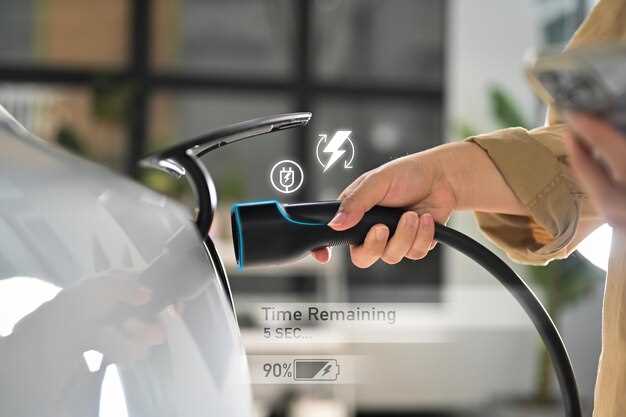
As the global shift towards electric vehicles (EVs) accelerates, a multitude of brands have emerged from China, positioning themselves as competitive players in the EV market. These manufacturers not only offer innovative technology and competitive pricing but also come with distinct warranty policies that are crucial for potential buyers to comprehend. Understanding these battery warranties can significantly influence purchasing decisions, as they are indicative of the brand’s confidence in its product.
Battery performance is essential in determining the overall functionality of electric vehicles. Consequently, the warranty coverage offered by various brands becomes a key factor for consumers seeking reliability and peace of mind. In this article, we will delve into the specifics of battery warranties provided by prominent Chinese EV brands, exploring what these warranties entail, the duration of coverage, and the conditions under which they apply.
By gaining insight into the battery warranty landscape of Chinese electric cars, consumers will be better equipped to make informed choices. With a clearer understanding of the promises made by these brands, buyers can feel more secure in their investment and ensure that they are fully aware of their rights and obligations related to battery performance and longevity.
Evaluating Coverage: What Do Battery Warranties Include?
When purchasing an electric vehicle (EV), understanding the battery warranty is crucial. Battery warranties typically cover the battery’s performance, capacity retention, and overall durability. Most warranties ensure that the battery will maintain at least a certain percentage of its original capacity over the warranty period, often ranging from 8 to 10 years or a specified mileage limit.
In general, a comprehensive battery warranty will include provisions for defects in materials and workmanship. This means that if the battery fails due to a manufacturing error, the manufacturer is responsible for repairs or replacements at no cost to the owner. Additionally, some warranties cover performance-related issues, such as sudden drops in capacity that could affect the vehicle’s range.
It is also essential to check for exclusions in the warranty terms. These may include damage caused by improper charging practices, environmental factors, or modifications made to the EV. Understanding these limitations helps consumers gauge potential out-of-pocket expenses. Furthermore, many manufacturers offer extended warranty options that can provide additional coverage beyond the standard battery warranty, giving peace of mind for long-term ownership.
Ultimately, evaluating a battery warranty involves not just the duration and coverage details, but also customer service and support from the manufacturer, as these can significantly impact the ownership experience of an EV.
Comparing Leading Chinese EV Brands: Who Offers the Best Battery Warranty?
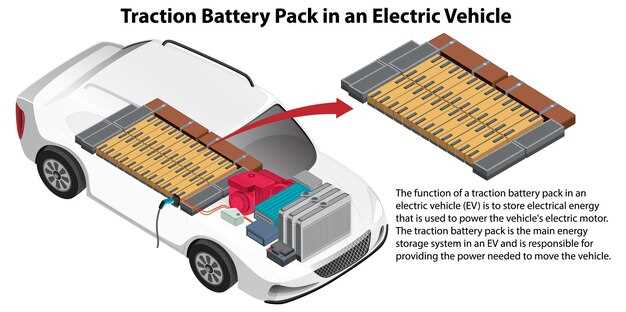
When evaluating Chinese electric vehicle (EV) brands, the battery warranty stands out as a critical factor influencing consumer choice. Leading manufacturers like BYD, NIO, and Xpeng have established themselves in the market, yet their approaches to battery warranties vary significantly.
BYD, one of the largest EV producers in China, offers an impressive battery warranty of up to 8 years or 160,000 kilometers (99,000 miles), covering significant degradation. This extensive warranty reflects BYD’s confidence in its battery technology and aims to assure customers of long-term reliability.
NIO takes a slightly different approach by not only providing an 8-year or 160,000-kilometer warranty on its batteries but also offering the Battery-as-a-Service (BaaS) model. This innovation allows users to swap out batteries, providing added versatility and peace of mind while extending battery life.
Xpeng, while relatively new compared to its competitors, has also made headlines with its battery warranty of 8 years or 120,000 kilometers (74,564 miles). Though slightly shorter than BYD’s, Xpeng focuses on enhancing the overall vehicle experience, including battery efficiency and performance.
In conclusion, while all three brands offer competitive warranties, BYD leads the way with its extensive coverage, followed by NIO’s innovative services and Xpeng’s appealing offerings. Consumers must consider not only warranty terms but also the brand’s overall reputation and technology to make an informed decision.
Navigating Claims: How to File a Warranty Claim for Your Electric Car Battery?

When it comes to electric vehicles (EVs), understanding your battery warranty is crucial for ensuring long-term satisfaction with your investment. If you find yourself in a situation where your battery is not performing as expected, knowing how to file a warranty claim can save you time and money. Here’s a step-by-step guide to help you navigate this process effectively.
Firstly, familiarize yourself with the warranty terms specific to your EV brand. Most manufacturers provide a clearly defined warranty period for the battery, often ranging from 5 to 8 years. Additionally, pay attention to the mileage limits, as many warranties will only cover batteries for a specified number of miles driven.
Before initiating a claim, it is essential to gather relevant documentation. This includes your vehicle’s warranty booklet, proof of purchase, and any service records related to the battery. Having this information readily available can expedite the claims process significantly.
Once you are prepared, contact the customer service department of your EV brand. Many companies have dedicated support lines for warranty issues. Be ready to provide details such as your vehicle identification number (VIN), the specific battery issue you are experiencing, and any troubleshooting steps you have already undertaken.
After your initial contact, the manufacturer may ask you to take your vehicle to an authorized service center for a battery inspection. This step is crucial, as technicians will assess the battery’s condition and determine if it falls under the warranty coverage. Ensure you follow their instructions carefully and keep records of any diagnostics performed.
If the inspection validates your claim, the manufacturer may approve a replacement or repair under warranty. Always clarify whether any costs will be incurred during this process. In some cases, certain conditions may cause the manufacturer to deny a claim, so it’s vital to understand what those conditions are.
Lastly, if your claim is denied and you believe this decision is unjust, explore your options for appeal. Document all correspondence with the manufacturer and consider filing a complaint with consumer protection agencies if you feel your rights have been violated.
Understanding the warranty claim process for your electric car battery not only enhances your ownership experience but also ensures that you are well-equipped to handle any unexpected issues that may arise. Knowledge is the key to navigating the complexities of battery warranties offered by various EV brands.

