
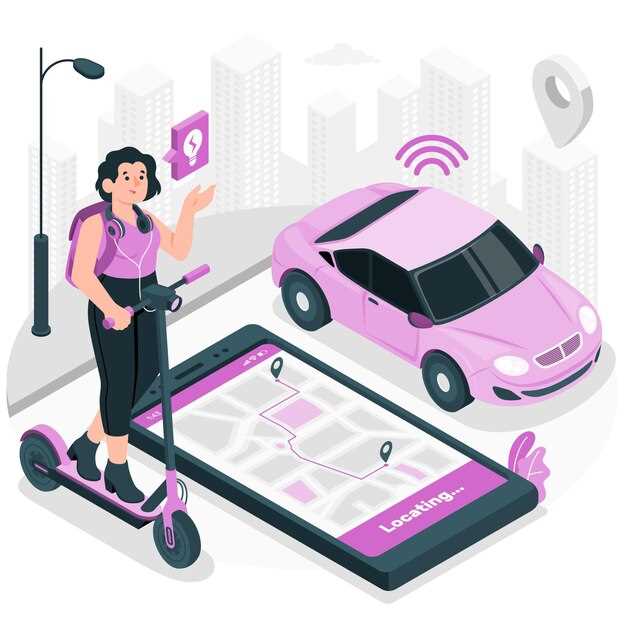
In recent years, the rapid rise of electric vehicles (EVs) in China has necessitated innovative solutions for their management and control. The integration of mobile applications into this sector has revolutionized how users interact with their electric cars, providing a seamless experience that enhances efficiency and convenience. These mobile apps are not just tools for tracking vehicle performance; they have become integral to the overall management of EV fleets and personal vehicles alike.
One of the key advantages of these mobile applications is their ability to offer real-time control over various aspects of electric vehicle operation. Users can remotely monitor battery status, track charging progress, and even receive maintenance alerts–all through a user-friendly interface on their smartphones. This level of control over the EV fosters a more confident driving experience and encourages the adoption of electric technologies among consumers.
Furthermore, mobile apps enable advanced features such as route optimization and energy consumption monitoring, making the electric car experience smarter and more sustainable. As the demand for electric vehicles increases in China, the incorporation of mobile technology will likely play a pivotal role in shaping the future landscape of EV management, ensuring that users make the most of their cars while minimizing their environmental footprint.
Real-time Monitoring and Control of EVs Through Dedicated Applications
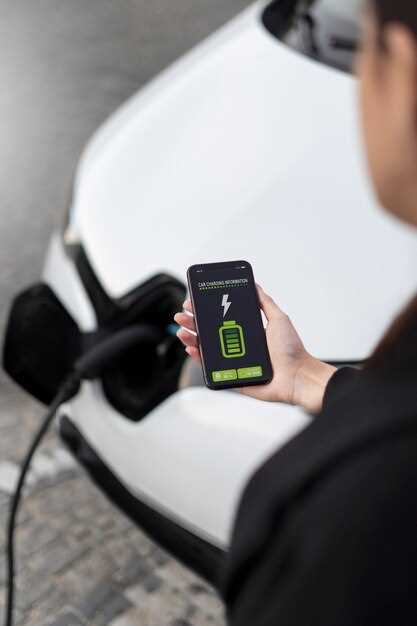
Dedicated applications for electric vehicles (EVs) have revolutionized how users manage and monitor their cars. These apps provide real-time data on battery status, charging progress, and energy consumption, enabling drivers to optimize their vehicle’s performance. Instantly accessible information empowers users to make informed decisions about travel routes and charging times, enhancing the overall EV ownership experience.
Vehicle owners can remotely monitor their car’s status via these applications. Functions such as tracking charging sessions, locating nearby charging stations, and setting charging schedules are streamlined, allowing drivers to maximize efficiency. Notifications about charging completion or low battery alerts further ensure that users remain informed about their vehicle’s condition at any moment.
Additionally, these apps often include features for controlling vehicle functions remotely, such as pre-conditioning the cabin temperature or locking/unlocking doors. This control not only adds convenience but also improves security for EV owners. Users can manage their vehicles from anywhere, which is particularly beneficial for those with busy schedules.
The integration of real-time data analytics within these applications enhances their functionality. EV owners can review historical performance metrics, helping them understand driving behaviors and modify them for better energy efficiency. Such insights contribute to more sustainable driving practices, aligning with broader environmental goals.
In summary, dedicated apps for EVs are essential tools that enable real-time monitoring and control, enhancing the ownership experience. They provide necessary information and functionalities, ultimately leading to smarter, more efficient electric vehicle management.
Integrating Renewable Energy Sources into EV Charging via Mobile Solutions

As the demand for electric vehicles (EVs) continues to rise, the integration of renewable energy sources into charging infrastructure has become crucial. Mobile applications play a vital role in facilitating this integration by enabling users to control their EV charging processes, ensuring optimal use of sustainable energy sources.
Car owners can use mobile solutions to monitor real-time energy production from renewable sources such as solar panels or wind turbines. These applications allow users to assess their energy consumption patterns, providing insights into the best times to charge their vehicles based on energy availability. By syncing charging schedules with peak renewable energy output, car owners can decrease dependency on fossil fuels and reduce their carbon footprint.
Mobile solutions also offer features that allow for the dynamic management of EV charging stations. By incorporating smart algorithms, these apps can evaluate energy supply from both renewable and non-renewable sources, automatically directing car charging to times when renewable energy is abundant. This innovative approach not only enhances the sustainability of EV ownership but also promotes a more reliable energy grid.
Furthermore, users can take advantage of smart contracts and peer-to-peer energy sharing facilitated by mobile applications. This creates a decentralized energy network where EV owners can buy or sell excess renewable energy, effectively controlling their charging costs while simultaneously contributing to a greener environment. Such integration paves the way for a more resilient and efficient energy system tailored for the growing EV market.
In conclusion, the fusion of mobile technology with renewable energy in EV charging represents a significant leap towards sustainable transportation. By empowering car owners with control over their charging habits, we can promote an eco-friendly future that benefits both individuals and the environment.
Enhancing User Experience with Smart Features in Chinese EV Applications
Chinese electric vehicle (EV) applications are redefining how users interact with their cars, integrating advanced smart features that significantly enhance the user experience. These applications provide seamless control over various aspects of the vehicle, making driving more intuitive and enjoyable.
One standout feature is remote vehicle control, allowing users to manage their EVs from anywhere. Through mobile apps, users can lock or unlock their cars, start or stop charging, and even adjust climate settings before entering the vehicle. This level of control provides convenience and peace of mind, knowing that essential functions can be managed from a distance.
Real-time data monitoring is another critical feature enhancing user interaction. Chinese EV applications offer insights into battery status, range estimation, and charging progress. By keeping users informed about their vehicle’s performance, these apps facilitate better planning for trips and charging, ensuring they remain stress-free during travels.
Additionally, navigation functionalities within these applications are optimized for electric vehicles. They provide users with routes that include charging station locations, taking into account the vehicle’s current battery level and range. This intelligent routing alleviates concerns about running out of power on the road.
Furthermore, predictive maintenance alerts are integrated into the apps, notifying users about potential issues before they become serious problems. By leveraging data analytics, these applications can suggest timely service appointments, enhancing the vehicle’s longevity and performance.
Lastly, community features within these applications foster interaction among users, sharing tips on charging locations or driving strategies that enhance efficiency. This community support system not only enriches the user experience but also promotes a shared commitment to sustainable transportation.
In conclusion, the integration of smart features in Chinese EV applications significantly enhances user experiences, enabling easier control over cars and providing valuable insights that lead to more efficient and enjoyable driving experiences.

