
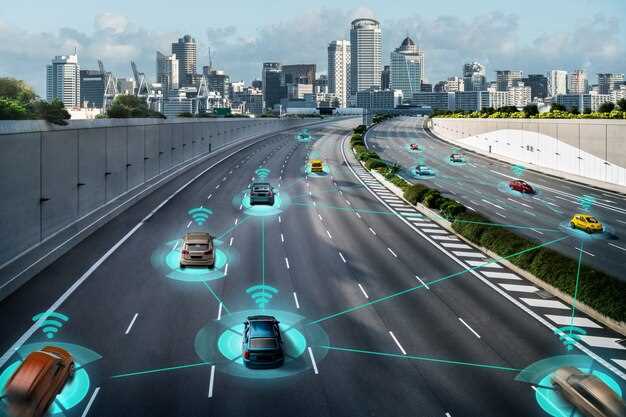
The advent of autonomous vehicles represents a significant leap in the automotive industry, merging cars with cutting-edge technology to transform transportation as we know it. These self-driving vehicles utilize a combination of sensors, cameras, and artificial intelligence to navigate and operate without human intervention. As society moves towards increased reliance on automation, comprehending how these vehicles function becomes essential for both consumers and industry stakeholders.
At the heart of autonomous vehicles is a complex system of algorithms and machine learning models that processes vast amounts of data in real-time. This sophistication allows the vehicles to recognize road conditions, detect obstacles, and make decisions that ensure safety and efficiency. Understanding the various levels of automation is crucial, as they range from fully autonomous systems capable of operating independently to semi-autonomous features that require some human oversight.
As we delve deeper into the functionalities of autonomous vehicles, we will explore the technological components that enable their operation, the regulatory landscape surrounding their deployment, and the implications for the future of transportation. By examining these aspects, we can better grasp how autonomous vehicles stand to reshape our driving experiences and the urban environments we inhabit.
How Sensor Technologies Enable Self-Driving Cars
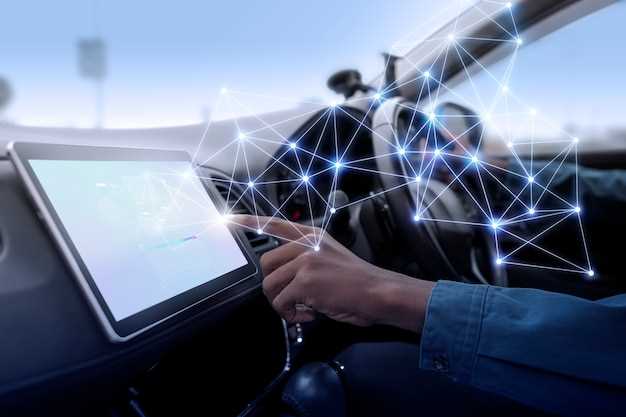
Self-driving cars rely heavily on an array of sensor technologies to navigate and understand their environment. These sensors allow autonomous vehicles to perceive their surroundings accurately, ensuring safe and efficient operation on the roads.
One of the primary sensor types used in self-driving technology is LiDAR (Light Detection and Ranging). LiDAR systems emit laser beams that measure distances by calculating the time it takes for light to bounce back from objects. This creates a detailed 3D map of the vehicle’s surroundings, enabling it to detect obstacles, road edges, and other essential features.
In addition to LiDAR, radar systems also play a crucial role in the functionality of self-driving cars. Radar uses radio waves to detect the speed and distance of nearby objects, even in adverse weather conditions. This capability allows autonomous vehicles to maintain safe distances from other road users, contributing to overall traffic safety.
Cameras are another vital component of autonomous vehicle technology. High-resolution cameras capture visual data that the vehicle’s onboard computer uses to recognize traffic signals, road signs, and lane markings. This visual recognition is essential for understanding complex driving environments, especially in urban settings.
Ultrasonic sensors are employed for close-range detection and are primarily used in parking and low-speed maneuvers. These sensors help the vehicle judge the proximity of nearby objects, making it easier to navigate tight spaces safely.
Data from all these sensor technologies is processed by advanced algorithms and artificial intelligence systems. This fusion of information allows self-driving cars to make real-time decisions based on accurate assessments of their surroundings, improving their ability to anticipate and respond to dynamic driving conditions.
In summary, sensor technologies are fundamental to the functionality of self-driving cars. By integrating various sensors like LiDAR, radar, cameras, and ultrasonic devices, autonomous vehicles can achieve a comprehensive understanding of their environment, which is essential for safe and efficient operation on the road.
The Role of Machine Learning in Autonomous Navigation
Machine learning is a cornerstone technology that empowers self-driving vehicles to navigate complex environments safely and efficiently. By leveraging vast amounts of data, machine learning algorithms enhance the vehicle’s ability to perceive surroundings, make decisions, and learn from experiences.
One crucial aspect of machine learning in autonomous navigation is perception. This involves interpreting input from various sensors, such as cameras and LIDAR, to form an understanding of the vehicle’s immediate environment. Machine learning models are trained on diverse datasets that include different driving conditions and scenarios, enabling the vehicle to recognize pedestrians, road signs, and other obstacles accurately.
Another important function of machine learning is predictive modeling. Self-driving cars use algorithms to anticipate the actions of other road users, such as vehicles and cyclists. By identifying patterns in movements, these systems can make informed decisions, optimizing safety and efficiency during navigation.
Additionally, machine learning facilitates path planning. It allows the vehicle to calculate the best routes based on real-time traffic data, road conditions, and predicted behavior of other users. This capability not only improves travel time but also helps in avoiding congested areas and hazards.
Moreover, the technology supports continuous improvement. As self-driving cars accumulate data from their journeys, machine learning systems can refine their algorithms, enhancing performance over time. This dynamic learning process makes it possible for autonomous vehicles to adapt to new environments and driving norms, thereby increasing their reliability.
In summary, machine learning plays a vital role in the functionality of autonomous navigation, impacting perception, decision-making, path planning, and system improvement. These advancements in technology are essential for the evolution of self-driving vehicles, paving the way for safer and more efficient transportation solutions.
Legal and Ethical Considerations for Self-Driving Vehicles
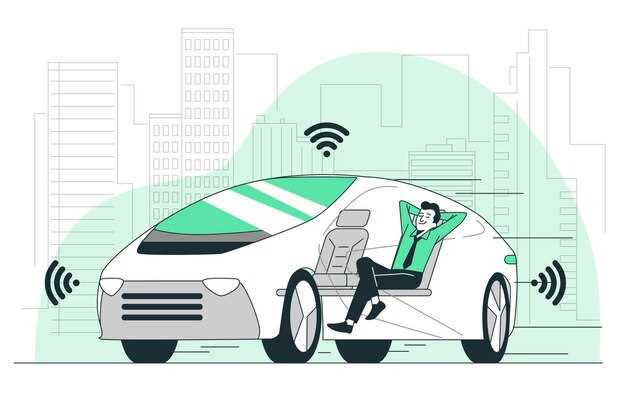
As the development of autonomous cars advances, legal and ethical challenges arise that must be addressed to ensure a safe and responsible integration into society. One primary concern is liability in the event of accidents. If a self-driving vehicle is involved in a collision, determining whether the manufacturer, software developer, or owner is responsible complicates traditional legal frameworks.
Another aspect is the regulation of the technology used in autonomous vehicles. Governments need to establish clear guidelines and standards for testing and deploying these cars. Regulations must prioritize safety while fostering innovation, requiring manufacturers to comply with rigorous safety assessments before releasing autonomous vehicles to the public.
Ethically, autonomous cars are faced with the “trolley problem,” a scenario where the vehicle must make a life-and-death decision in unavoidable accident situations. How these vehicles are programmed to respond raises significant moral questions about the value of human life, the decision-making processes involved, and the potential biases embedded in the technology.
Data privacy is another critical consideration. Autonomous vehicles continuously gather data from their environment and users to operate effectively. Ensuring that this data is handled ethically, with respect for individual privacy rights and security, is paramount to gaining public trust.
Overall, addressing these legal and ethical considerations is essential for the successful deployment of self-driving vehicles. Stakeholders, including policymakers, manufacturers, and the public, must engage in ongoing dialogue to navigate the complexities introduced by this transformative technology.

