
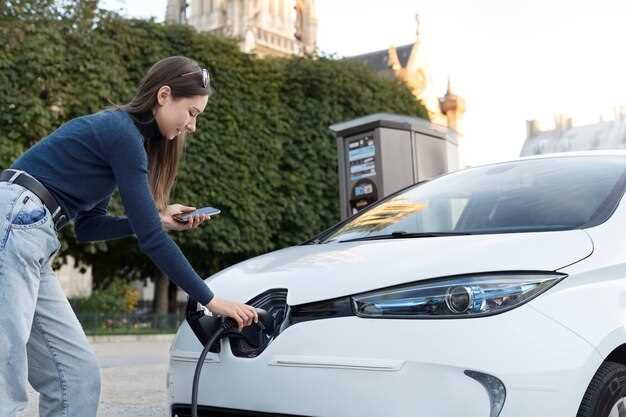
The global automotive landscape is undergoing a significant transformation, with electric vehicles (EVs) taking center stage. In recent years, the surge in demand for greener transportation has propelled the growth of Chinese electric cars, allowing them to carve out a substantial foothold in international markets. This trend signifies more than just a shift towards sustainable energy; it is reshaping consumer preferences and industry dynamics worldwide.
China has emerged as a powerhouse in the EV market, driven by robust government policies, increased investments in technology, and a growing emphasis on reducing carbon emissions. Chinese manufacturers are not only leading in production capacity but are also innovating rapidly, introducing advanced features and competitive pricing. This has led to a strong export potential for Chinese electric cars, impacting global market trends and challenging established automotive giants.
As the competition intensifies, understanding the factors fueling the growth of Chinese electric vehicles is essential for stakeholders across the globe. From strategic collaborations to advancements in battery technology, the evolution of this sector reflects dynamic shifts within the automotive industry, setting the stage for a more sustainable future in transportation.
Factors Driving the Rise of Chinese EV Manufacturers

Chinese electric vehicle (EV) manufacturers are experiencing rapid growth in the global market due to a combination of several key factors. Firstly, substantial government support plays a crucial role. The Chinese government has implemented a range of policies and incentives aimed at promoting the adoption of EVs, such as tax breaks, subsidies, and investments in charging infrastructure. This supportive regulatory environment encourages local manufacturers to innovate and expand their production capabilities.
Secondly, technological advancements have significantly enhanced the competitiveness of Chinese EVs. Companies are investing heavily in research and development to improve battery technology, reduce costs, and increase vehicle range. The ongoing innovation in electric drivetrains and energy management systems positions Chinese manufacturers favorably against their international counterparts.
Another important factor is the growing domestic market demand for sustainable transportation solutions. As environmental concerns rise and urbanization increases, more consumers in China are opting for EVs, leading to heightened competition among local manufacturers. This domestic demand motivates these companies to refine their products continually and broaden their offerings.
Additionally, the global trend toward electrification has opened up new export opportunities for Chinese EV manufacturers. With increasing focus on reducing carbon emissions worldwide, many countries are looking to integrate EVs into their transportation systems. Chinese manufacturers are seizing these opportunities to enter foreign markets and establish strategic partnerships with international firms.
Lastly, cost advantages contribute to the rise of Chinese EV manufacturers. The extensive supply chain and production capabilities in China enable these companies to manufacture vehicles at lower costs compared to many competitors. This allows them to offer competitive pricing, making their EVs more accessible to a broader range of consumers in global markets.
Key Markets for Chinese Electric Vehicles and Their Strategies

Chinese electric vehicle (EV) manufacturers have quickly built a dominant presence in several key markets around the world. Their growth is driven by innovative strategies tailored to local preferences, regulatory frameworks, and competitive landscapes.
Below are some of the most significant markets for Chinese EVs and the strategies employed by manufacturers to capture and expand their market share:
- United States:
Chinese EV companies are focusing on:
- Collaborations with local firms to navigate compliance and build brand trust.
- Leveraging competitive pricing to attract consumers in the mid-range segment of the market.
- Investing in local manufacturing to reduce costs and tariffs.
- Europe:
Strategies in European markets include:
- Partnerships with established automotive brands to expedite market penetration.
- Emphasizing high-quality standards and compliance with stringent environmental regulations.
- Offering advanced technology features that resonate with the European consumer’s desire for innovation.
- India:
In the Indian market, tactics include:
- Building cost-effective models to cater to a price-sensitive consumer base.
- Establishing local production facilities to improve supply chain efficiencies.
- Adapting marketing strategies to align with local cultural values and preferences.
- Latin America:
Chinese EV manufacturers are addressing this region by:
- Targeting urban areas with high pollution levels to promote the environmental benefits of EVs.
- Developing financial models such as leasing options to make EVs more accessible.
- Focusing on charging infrastructure development in partnership with local governments.
In conclusion, the growth of Chinese electric vehicles in global markets is supported by tailored strategies that cater to the specific needs and trends of each region. By leveraging partnerships, local production, and innovative financial models, Chinese EV manufacturers are effectively positioning themselves as key players in the global transition toward electric mobility.
Impact of Chinese EVs on Global Automotive Regulations and Standards
The rapid expansion of the Chinese electric vehicle (EV) market has significantly influenced global automotive regulations and standards. As major players in this sector, Chinese manufacturers are setting new trends that reshape how governments and organizations address EV compliance, safety, and environmental impact.
Chinese automakers are increasingly prioritizing innovation and sustainability, which has prompted regulators worldwide to adapt their frameworks. This shift is evident in the introduction of stricter emissions standards and accelerated timelines for electrification in various markets. In response to the growth of Chinese EVs, several countries have begun to harmonize their regulations, aiming to create a unified standard that can facilitate international trade and compliance.
Moreover, the competitive pricing and advanced technology of Chinese EVs have pushed global manufacturers to enhance their offerings. This competitive pressure encourages regulatory bodies to reassess existing standards, ensuring they remain relevant in the face of evolving market dynamics. For instance, the inclusion of advanced driver-assistance systems (ADAS) has led to new safety standards aimed at accommodating the sophisticated technology present in Chinese models.
Furthermore, the Chinese government’s proactive approach in supporting EV development through subsidies and investments has set a benchmark for other nations. This support not only aids the domestic market but also influences global standards for vehicle quality and technological advancement. As countries look to improve their EV regulations, they often draw inspiration from the policies adopted in China.
In conclusion, the growth of Chinese electric vehicles is reshaping global automotive regulations and standards. As trends continue to evolve, it is crucial for governments and regulatory bodies to adopt flexible frameworks that can accommodate the fast-paced changes driven by Chinese innovation in the EV sector.

